
Air Compressor for Nitrogen Generator: Sizing and Selection Guide
This guide explains the sizing sequence, air factor, margins, pressure losses, ambient corrections, receiver behavior, and validation steps.
A Practical Engineering View
Selecting an air compressor for a nitrogen generator is not a simple catalog exercise. The machine has to fit a defined gas duty, a practical service profile, a specific site, and a complete treatment and control system. Buyers who compare only motor power, maximum pressure, or headline flow often receive quotations that look similar but describe very different equipment.
This article is written for engineers, plant managers, maintenance teams, and procurement specialists who need a practical route from process requirement to technical requirement. It also answers common searches such as how to size air compressor for nitrogen generator, PSA nitrogen generator compressor sizing, feed air compressor capacity calculation without forcing every related phrase into the text. The goal is natural technical coverage, useful decision support, and a page that can remain valuable after the purchase decision.
A calculation-led guide that helps engineers size the feed air compressor from nitrogen demand and generator performance. This guide explains the sizing sequence, air factor, margins, pressure losses, ambient corrections, receiver behavior, and validation steps.
Separate feed air compression from finished nitrogen compression.
Define flow, purity, pressure, temperature, and duty at one common basis.
Evaluate the full package, including treatment, storage, controls, safety, and service.
The Short Engineering Answer
The right choice for air compressor for nitrogen generator is a machine or integrated package that delivers the required gas quantity at the design purity and pressure under the worst credible site condition, while staying inside temperature, safety, energy, and maintenance limits. A defensible selection begins with a mass balance and pressure profile, then checks machine technology, treatment, storage, control response, and whole-life cost.
Search phrases such as how to size air compressor for nitrogen generator, PSA nitrogen generator compressor sizing, feed air compressor capacity calculation, compressor air factor for nitrogen generator, oil free compressor for PSA generator describe related questions, but they should lead back to one engineering data set. That data set should be attached to every bid request and updated whenever the process changes.
Connect Compressor Performance to the PSA Cycle
A PSA nitrogen generator alternates adsorption vessels between pressurization and regeneration. Carbon molecular sieve preferentially adsorbs oxygen and other smaller molecules while nitrogen passes through as product gas. Stable feed conditions are essential because the cycle is timed and highly sensitive to pressure, temperature, and contamination.
Feed pressure that falls below the design point may reduce nitrogen output, purity, or both because the adsorption cycle receives less usable air mass. Well-prepared project teams establish this value before bidding because a correction after ordering can affect compressor sizing, motor power, and skid arrangement. If the value cannot be measured or traced to a supplier curve, it should be treated as an assumption and highlighted for confirmation. When suppliers use varying assumptions, convert the data to one basis before benchmarking price or efficiency.
Higher inlet temperature may reduce adsorption performance and may drive up the amount of feed air required for the same nitrogen output. The useful check is not whether the component is present, but whether it operates at the approved flow, pressure, temperature, and gas quality level. This is also an E-E-A-T issue for practical engineering content: engineering guidance states conditions, limitations, and verification steps instead of repeating broad statements. This approach also creates a traceable baseline for maintenance and later capacity growth.
Water, oil aerosol, oil vapor, rust, and scale can damage filters, valves, and carbon molecular sieve, causing over time capacity loss. This requirement benefits from a formal performance guarantee rather than a verbal statement because it influences both application output and machine life. The owner team should name an owner for the item because gaps often occur at the scope boundary between compressor package, separator, and plant piping. Documenting the basis supports both parties when local conditions or use-point demand change.
The generator air factor expresses how much compressed air is specified for a unit of nitrogen and changes with purity, pressure, temperature, and design. A effective design review moves through the gas path through the system and checks what this condition becomes at the following item. For this air compressor for nitrogen generator topic, the relevant question is how the condition affects delivered nitrogen rather than only the compressor nameplate. When suppliers use varying assumptions, convert the data to one basis before benchmarking price or efficiency.
Decision Checks
- Use the generator supplier air factor at the specified purity.
- Measure pressure at the generator inlet during a full production cycle.
- Protect the CMS with a complete and monitored air treatment train.
Failure Risks
- Sizing from nitrogen flow without the air factor
- Allowing wet air to enter the adsorption beds
- Assuming higher feed pressure always improves efficiency
Use Air Factor Correctly When Sizing the Feed Compressor
The generator air factor links required nitrogen output to compressed air input. It is one of the most important numbers in a PSA or membrane project, yet it is frequently copied from a brochure without checking purity, pressure, or temperature conditions.
Air factor usually becomes less favorable as required nitrogen purity increases because more feed air is needed for the same product flow. The useful check is not whether the component is present, but whether it operates at the approved flow, pressure, temperature, and gas quality level. This is also an E-E-A-T issue for practical engineering content: engineering guidance states conditions, limitations, and verification steps instead of repeating broad statements. This approach also creates a traceable baseline for maintenance and later capacity growth.
A hot inlet condition or low feed pressure may increase practical air demand even when the nominal generator model remains unchanged. This requirement benefits from a formal performance guarantee rather than a verbal statement because it influences both application output and machine life. The owner team should name an owner for the item because gaps often occur at the scope boundary between compressor package, separator, and plant piping. Documenting the basis supports both parties when local conditions or use-point demand change.
Oversizing the compressor may cause inefficient unloaded running, short cycling, higher capital cost, and unnecessary electrical demand charges. A effective design review moves through the gas path through the system and checks what this condition becomes at the following item. For this air compressor for nitrogen generator topic, the relevant question is how the condition affects delivered nitrogen rather than only the compressor nameplate. When suppliers use varying assumptions, convert the data to one basis before benchmarking price or efficiency.
Undersizing causes pressure collapse during the PSA cycle, reduced purity, slow receiver recovery, and continuous operation without reserve. In a running plant, this item appears in the data as demand shifts or local conditions move away from the brochure rating. The check should be made at normal load and at the most demanding credible duty point, including end-of-life filters and annual temperature range. This approach also creates a traceable baseline for maintenance and later capacity growth.
Decision Checks
- Obtain a written air factor from the generator supplier.
- Calculate at normal and worst-case conditions.
- Document every margin in the sizing sheet.
Failure Risks
- Using a generic two-to-one rule for every purity
- Adding no allowance for dryer purge
- Sizing from motor power instead of delivered air
Put Every Flow Rate on the Same Basis
Flow mistakes are common because suppliers may quote actual cubic meters per minute, normal cubic meters per hour, standard cubic feet per minute, mass flow, or compressor displacement. These figures cannot be compared until pressure, temperature, humidity, and reference conditions are defined.
Generator capacity should be stated at a defined purity and outlet pressure because both parameters affect the available nitrogen flow. A effective design review moves through the gas path through the system and checks what this condition becomes at the following item. The check should be made at normal load and at the most demanding credible duty point, including end-of-life filters and annual temperature range. Documenting the basis supports both parties when local conditions or use-point demand change.
Peak demand may be supplied partly by a receiver, allowing the compressor to be sized closer to average demand when the peak is short and predictable. In a running plant, this item appears in the data as demand shifts or local conditions move away from the brochure rating. Where the process has short peaks, separate the normal production load from the stored nitrogen contribution before selecting capacity. When suppliers use varying assumptions, convert the data to one basis before benchmarking price or efficiency.
Leakage, purge gas, analyzer vents, regeneration use, and future expansion should be included in the plant mass balance. From a selection perspective, the importance of this information is that it converts a general product term into a defined service condition. If the value cannot be measured or traced to a supplier curve, it should be treated as an assumption and highlighted for confirmation. This approach also creates a traceable baseline for maintenance and later capacity growth.
Normal flow describes a gas quantity corrected to stated reference temperature and pressure, while service flow describes volume at local operating conditions. Well-prepared project teams establish this value before bidding because a correction after ordering can affect compressor sizing, motor power, and skid arrangement. This is also an E-E-A-T issue for practical engineering content: engineering guidance states conditions, limitations, and verification steps instead of repeating broad statements. Documenting the basis supports both parties when local conditions or use-point demand change.
Decision Checks
- Create one project flow basis and convert every vendor figure to it.
- Separate normal demand from short peak demand.
- Add a documented margin rather than a hidden oversized estimate.
Failure Risks
- Comparing displacement with delivered flow
- Mixing standard and actual units
- Adding arbitrary margins at every design step
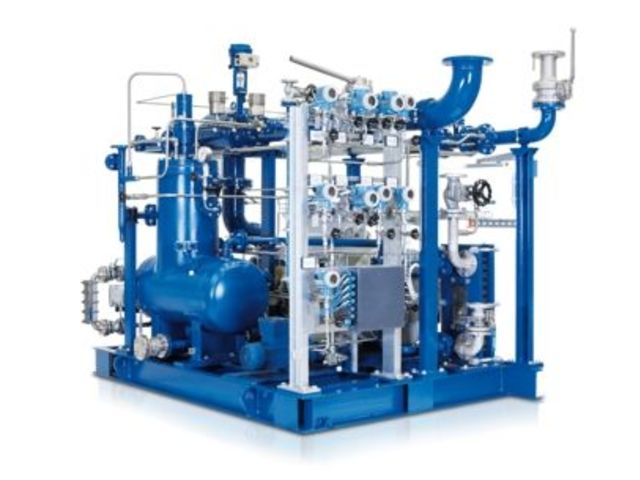
Let Design Purity Drive the System Design
Nitrogen purity is not a decorative specification. It changes generator recovery, feed air consumption, analyzer requirements, storage strategy, and the cost of every normal cubic meter delivered to the process.
High pressure storage can mix off-specification and on-specification gas if the purge and filling sequence is not carefully controlled. Well-prepared project teams establish this value before bidding because a correction after ordering can affect compressor sizing, motor power, and skid arrangement. If the value cannot be measured or traced to a supplier curve, it should be treated as an assumption and highlighted for confirmation. When suppliers use varying assumptions, convert the data to one basis before benchmarking price or efficiency.
The correct purity is the lowest oxygen concentration that safely and consistently supports the process, not automatically the highest available figure. The useful check is not whether the component is present, but whether it operates at the approved flow, pressure, temperature, and gas quality level. This is also an E-E-A-T issue for practical engineering content: engineering guidance states conditions, limitations, and verification steps instead of repeating broad statements. This approach also creates a traceable baseline for maintenance and later capacity growth.
A food blanketing process may tolerate more residual oxygen than electronics, heat treatment, pharmaceutical, or chemical applications. This requirement benefits from a formal performance guarantee rather than a verbal statement because it influences both application output and machine life. The owner team should name an owner for the item because gaps often occur at the scope boundary between compressor package, separator, and plant piping. Documenting the basis supports both parties when local conditions or use-point demand change.
Moving from moderate purity to very high purity can sharply increase feed air demand because more nitrogen is sacrificed during separation. A effective design review moves through the gas path through the system and checks what this condition becomes at the following item. For this air compressor for nitrogen generator topic, the relevant question is how the condition affects delivered nitrogen rather than only the compressor nameplate. When suppliers use varying assumptions, convert the data to one basis before benchmarking price or efficiency.
Decision Checks
- Ask the process owner for the actual oxygen limit.
- Define analyzer range, alarm point, and calibration method.
- Specify where purity is guaranteed and measured.
Failure Risks
- Purchasing unnecessary purity
- Accepting a purity figure without test conditions
- Sending startup gas directly to production
Build a Complete Pressure Profile
A good nitrogen compressor selection uses a pressure profile from ambient intake to the final user. The profile exposes hidden losses and clarifies whether the project needs only a feed air compressor, only a booster, or a coordinated two-compressor arrangement.
Every relief valve set point and component design pressure should be reviewed against the maximum possible pressure, including fault conditions. A effective design review moves through the gas path through the system and checks what this condition becomes at the following item. The owner team should name an owner for the item because gaps often occur at the scope boundary between compressor package, separator, and plant piping. This approach also creates a traceable baseline for maintenance and later capacity growth.
Feed air pressure must be high enough at the generator inlet after losses through the dryer, filters, receiver, valves, and piping. In a running plant, this item appears in the data as demand shifts or local conditions move away from the brochure rating. For this air compressor for nitrogen generator topic, the relevant question is how the condition affects delivered nitrogen rather than only the compressor nameplate. Documenting the basis supports both parties when local conditions or use-point demand change.
Generator outlet pressure is normally lower than feed pressure because separation equipment, valves, and controls create a pressure drop. From a selection perspective, the importance of this information is that it converts a general product term into a defined service condition. The check should be made at normal load and at the most demanding credible duty point, including end-of-life filters and annual temperature range. When suppliers use varying assumptions, convert the data to one basis before benchmarking price or efficiency.
A booster should be rated from the minimum available suction pressure, not the optimistic average shown on a process sketch. Well-prepared project teams establish this value before bidding because a correction after ordering can affect compressor sizing, motor power, and skid arrangement. Where the process has short peaks, separate the normal production load from the stored nitrogen contribution before selecting capacity. This approach also creates a traceable baseline for maintenance and later capacity growth.
Decision Checks
- List minimum, normal, and maximum pressure at each node.
- Use measured or calculated pressure drop at design flow.
- Separate operating pressure from mechanical design pressure.
Failure Risks
- Sizing from nominal pressure only
- Forgetting pressure drop at dirty filter condition
- Allowing the booster to pull the generator below controlled pressure
Design the Complete Feed Air Treatment Train
The nitrogen generator depends on clean, dry, stable compressed air. A compressor alone cannot provide that condition under all weather and load states. Treatment equipment must be selected as a coordinated train with measurable outlet quality.
An aftercooler and moisture separator remove much of the condensed water created when compressed air cools after compression. From a selection perspective, the importance of this information is that it converts a general product term into a defined service condition. The owner team should name an owner for the item because gaps often occur at the scope boundary between compressor package, separator, and plant piping. Documenting the basis supports both parties when local conditions or use-point demand change.
A refrigerant or desiccant dryer controls pressure dew point according to generator requirements and the lowest expected piping temperature. Well-prepared project teams establish this value before bidding because a correction after ordering can affect compressor sizing, motor power, and skid arrangement. For this air compressor for nitrogen generator topic, the relevant question is how the condition affects delivered nitrogen rather than only the compressor nameplate. When suppliers use varying assumptions, convert the data to one basis before benchmarking price or efficiency.
Particulate and coalescing filters remove solids and liquid aerosols, while activated carbon treatment may be required for oil vapor control. The useful check is not whether the component is present, but whether it operates at the approved flow, pressure, temperature, and gas quality level. The check should be made at normal load and at the most demanding credible duty point, including end-of-life filters and annual temperature range. This approach also creates a traceable baseline for maintenance and later capacity growth.
Automatic drains must be reliable and monitored because a failed closed drain can carry liquid downstream and a failed open drain wastes compressed air. This requirement benefits from a formal performance guarantee rather than a verbal statement because it influences both application output and machine life. Where the process has short peaks, separate the normal production load from the stored nitrogen contribution before selecting capacity. Documenting the basis supports both parties when local conditions or use-point demand change.
Decision Checks
- Specify pressure dew point and oil class at the generator inlet.
- Install differential pressure indication across critical filters.
- Provide accessible drains and sampling points.
Failure Risks
- Calling a system oil-free without defining air quality
- Selecting a dryer only by pipe size
- Ignoring summer humidity and low winter pipe temperature
Evaluate Oil-Free and Oil-Lubricated Options Honestly
Oil-free and oil-lubricated compressors can both support nitrogen generation when the entire installation is engineered correctly. The right choice depends on contamination consequences, treatment complexity, energy use, maintenance practice, and lifecycle risk.
Oil-lubricated machines may offer a lower initial price, but coalescing filtration, carbon treatment, monitoring, and disposal add whole-life cost. In a running plant, this item appears in the data as demand shifts or local conditions move away from the brochure rating. The check should be made at normal load and at the most demanding credible duty point, including end-of-life filters and annual temperature range. When suppliers use varying assumptions, convert the data to one basis before benchmarking price or efficiency.
Downstream oil vapor is more difficult to remove than liquid droplets and can gradually affect carbon molecular sieve or sensitive processes. From a selection perspective, the importance of this information is that it converts a general product term into a defined service condition. Where the process has short peaks, separate the normal production load from the stored nitrogen contribution before selecting capacity. This approach also creates a traceable baseline for maintenance and later capacity growth.
Oil-free does not mean maintenance-free because rings, valves, bearings, coolers, filters, seals, and controls still require planned service. Well-prepared project teams establish this value before bidding because a correction after ordering can affect compressor sizing, motor power, and skid arrangement. If the value cannot be measured or traced to a supplier curve, it should be treated as an assumption and highlighted for confirmation. Documenting the basis supports both parties when local conditions or use-point demand change.
The selected air quality should be verified at the generator inlet rather than inferred from the compressor label. The useful check is not whether the component is present, but whether it operates at the approved flow, pressure, temperature, and gas quality level. This is also an E-E-A-T issue for practical engineering content: engineering guidance states conditions, limitations, and verification steps instead of repeating broad statements. When suppliers use varying assumptions, convert the data to one basis before benchmarking price or efficiency.
Decision Checks
- Quantify the cost of a contamination event.
- Compare complete treatment and maintenance cost.
- Define the required ISO 8573-1 air quality classes.
Failure Risks
- Assuming filtration removes every oil risk
- Assuming oil-free equipment needs no downstream treatment
- Comparing only compressor purchase prices
A Realistic Selection Scenario
A plant requires 80 normal cubic meters per hour of nitrogen at 99.9 percent purity. The selected generator has a verified air factor of 2.7 under the stated conditions. Before applying a margin, the feed requirement is 216 normal cubic meters per hour. Dryer purge, filter pressure drop, hot ambient correction, leakage, and future reserve must then be evaluated separately rather than hidden in one arbitrary factor.
The lesson is to model the complete operating sequence. A technically correct machine can still perform poorly when storage, piping, treatment, or controls are not matched to the process. The best quotation is therefore the one that states assumptions clearly and demonstrates how each component supports the required duty point.
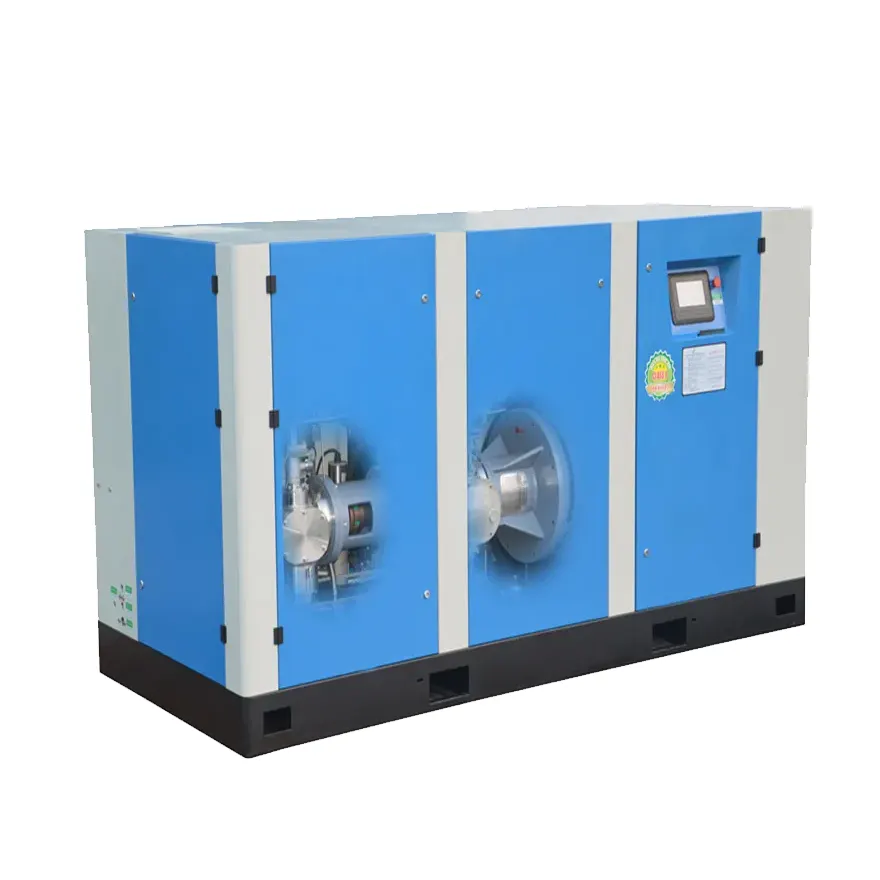
Use Receivers as Process Tools, Not Decorative Accessories
Air and nitrogen receivers perform different jobs. The feed air receiver stabilizes the generator inlet, while the product receiver buffers demand, supports purity control, and may reduce booster cycling. Their volumes should be calculated from operating behavior rather than selected by habit.
Receiver sizing depends on allowable pressure swing, net inflow or outflow, event duration, temperature assumptions, and control response. This requirement benefits from a formal performance guarantee rather than a verbal statement because it influences both application output and machine life. The check should be made at normal load and at the most demanding credible duty point, including end-of-life filters and annual temperature range. Documenting the basis supports both parties when local conditions or use-point demand change.
Purity analyzers and automatic vent valves should prevent off-specification startup gas from entering the product receiver. A effective design review moves through the gas path through the system and checks what this condition becomes at the following item. Where the process has short peaks, separate the normal production load from the stored nitrogen contribution before selecting capacity. When suppliers use varying assumptions, convert the data to one basis before benchmarking price or efficiency.
Drain, inspection, relief, isolation, and access requirements should be included in the vessel specification and site layout. In a running plant, this item appears in the data as demand shifts or local conditions move away from the brochure rating. If the value cannot be measured or traced to a supplier curve, it should be treated as an assumption and highlighted for confirmation. This approach also creates a traceable baseline for maintenance and later capacity growth.
A feed air receiver can damp compressor pulsation and reduce pressure variation caused by PSA switching. From a selection perspective, the importance of this information is that it converts a general product term into a defined service condition. This is also an E-E-A-T issue for practical engineering content: engineering guidance states conditions, limitations, and verification steps instead of repeating broad statements. Documenting the basis supports both parties when local conditions or use-point demand change.
Decision Checks
- Assign a clear function to each receiver.
- Calculate volume from the demand event.
- Verify local pressure vessel compliance.
Failure Risks
- Installing one vessel without defining its role
- Using a high pressure receiver to compensate for an undersized booster
- Ignoring vessel inspection and relief discharge routing
Measure Efficiency at the Required Nitrogen Condition
The lowest compressor kilowatt rating does not automatically produce the lowest nitrogen cost. Efficiency must be measured across the full chain from ambient air intake to nitrogen delivered at the design purity, pressure, and demand profile.
Lifecycle evaluation needs to include annual hours, electricity tariff, demand charges, cooling utilities, maintenance, and expected degradation. The useful check is not whether the component is present, but whether it operates at the approved flow, pressure, temperature, and gas quality level. The owner team should name an owner for the item because gaps often occur at the scope boundary between compressor package, separator, and plant piping. This approach also creates a traceable baseline for maintenance and later capacity growth.
Specific power should be compared at the same delivered flow, pressure, inlet condition, and control state. This requirement benefits from a formal performance guarantee rather than a verbal statement because it influences both application output and machine life. For this air compressor for nitrogen generator topic, the relevant question is how the condition affects delivered nitrogen rather than only the compressor nameplate. Documenting the basis supports both parties when local conditions or use-point demand change.
Generator air factor can dominate total energy use, especially when very high purity is requested. A effective design review moves through the gas path through the system and checks what this condition becomes at the following item. The check should be made at normal load and at the most demanding credible duty point, including end-of-life filters and annual temperature range. When suppliers use varying assumptions, convert the data to one basis before benchmarking price or efficiency.
Pressure drop in filters, dryers, valves, and piping forces the compressor to operate at a higher pressure and consume more power. In a running plant, this item appears in the data as demand shifts or local conditions move away from the brochure rating. Where the process has short peaks, separate the normal production load from the stored nitrogen contribution before selecting capacity. This approach also creates a traceable baseline for maintenance and later capacity growth.
Decision Checks
- Calculate kilowatt hours per normal cubic meter of nitrogen.
- Measure pressure drop and leakage after commissioning.
- Review part-load performance, not only full-load efficiency.
Failure Risks
- Comparing motors instead of systems
- Running at more pressure than the process needs
- Ignoring unloaded power
Connect Nitrogen Design with Clean Compressed Air
Nitrogen performance starts with the quality and stability of the compressed air supply. For related compressor technology, package configurations, and clean-air engineering references, review our main website for
oil-free air compressor solutions
. The external resource supports the feed-air side of the air compressor for nitrogen generator selection while this site remains focused on nitrogen generation and nitrogen compression.
Frequently Asked Questions
How do I size an air compressor for a nitrogen generator?
Multiply required nitrogen flow by the generator air factor at the selected purity and pressure. Then account for dryer purge, drains, leakage, treatment pressure drop, site correction, demand pattern, aging allowance, and an explicitly justified margin. A supplier needs to confirm this item against the specified duty rather than relying on a generic brochure value.
What is the air factor?
Air factor is the amount of compressed feed air required to produce one unit of nitrogen at specified purity, pressure, and conditions. It is supplied by the generator manufacturer and should not be assumed from a generic rule. The answer can change when purity, temperature, altitude, duty cycle, or downstream storage changes.
Does higher nitrogen purity need a larger compressor?
Usually yes. Higher purity generally lowers nitrogen recovery, so more compressed air is specified for the same product flow. The exact change depends on the generator design and operating pressure. Record the selected basis in the service technical data sheet so it can be checked during commissioning and maintenance.
Should dryer purge be added?
Yes, when the dryer consumes purge air. Heatless desiccant dryers can use a meaningful share of compressor capacity. The actual purge percentage and operating mode should be included in the mass balance. A supplier needs to confirm this item against the specified duty rather than relying on a generic brochure value.
How much sizing margin is reasonable?
There is no universal percentage. Margin should cover known uncertainties such as fouling, aging, temperature, leakage, and future demand without creating inefficient oversizing. Each allowance should be visible in the calculation. The answer can change when purity, temperature, altitude, duty cycle, or downstream storage changes.
Why must pressure be checked at the generator inlet?
Filters, dryers, receivers, valves, and piping create pressure loss. A compressor may show acceptable discharge pressure while the generator receives too little pressure during peak flow or dirty filter conditions. Record the selected basis in the service technical data sheet so it can be checked during commissioning and maintenance.
Can receiver storage reduce compressor size?
A receiver can cover short peaks when average production is adequate. It cannot correct a continuous shortfall. Receiver volume must be calculated from the net flow, pressure band, and event duration. A supplier needs to confirm this item against the specified duty rather than relying on a generic brochure value.
How is sizing verified after installation?
Record local conditions, compressor delivered flow, pressure at the generator inlet, dryer dew point, filter differential pressure, nitrogen flow, purity, receiver recovery time, and power during a full operating cycle. The answer can change when purity, temperature, altitude, duty cycle, or downstream storage changes.
Turn Process Data into a Clear Compressor Specification
A reliable project involving air compressor for nitrogen generator begins with accurate plant data. Share the required gas source, flow, purity, suction pressure, discharge pressure, duty cycle, local conditions, and applicable standards. Our team can review the system boundary and identify the technical questions that should be resolved before a quotation is finalized.