
Nitrogen Compressor: Types, Working Principle and Selection Guide
This guide explains what a nitrogen compressor does, how the major technologies work, and which field data should control the equipment choice.
A Practical Engineering View
Selecting a nitrogen compressor is not a simple catalog exercise. The machine has to fit a defined gas duty, a practical service profile, a specific site, and a complete treatment and control system. Buyers who compare only motor power, maximum pressure, or headline flow often receive quotations that look similar but describe very different equipment.
This article is written for engineers, plant managers, maintenance teams, and procurement specialists who need a practical route from process requirement to engineering specification. It also answers common searches such as nitrogen compressor types, nitrogen compressor working principle, industrial nitrogen compressor selection without forcing every related phrase into the text. The goal is natural technical coverage, useful decision support, and a page that can remain valuable after the purchase decision.
A broad engineering reference for buyers who need to understand the equipment category before requesting a quotation. This guide explains what a nitrogen compressor does, how the major technologies work, and which field data should control the equipment choice.
Separate feed air compression from finished nitrogen compression.
Define flow, purity, pressure, temperature, and duty at one common basis.
Evaluate the full package, including treatment, storage, controls, safety, and service.
The Short Engineering Answer
The right choice for nitrogen compressor is a machine or integrated package that delivers the required gas quantity at the process purity and pressure under the worst credible site condition, while staying inside temperature, safety, energy, and maintenance limits. A defensible selection begins with a mass balance and pressure profile, then checks machine technology, treatment, storage, control response, and life-cycle expenditure.
Search phrases such as nitrogen compressor types, nitrogen compressor working principle, industrial nitrogen compressor selection, nitrogen compressor machine, nitrogen gas compression system describe related questions, but they should lead back to one engineering data set. That data set should be attached to every technical inquiry and updated whenever the process changes.
Define the Compressor Duty Before Comparing Machines
The phrase nitrogen compressor is used for two different duties. One machine may compress ambient air before a PSA or membrane generator, while another machine may compress finished nitrogen after separation. Treating those duties as interchangeable is one of the most typical causes of poor selection.
A nitrogen gas compressor receives nitrogen from a generator, storage vessel, vaporizer, or process return line and raises the gas to the final operating pressure. From an engineering selection perspective, the importance of this information is that it converts a general equipment label into a documented process duty. For this nitrogen compressor topic, the relevant question is how the condition affects delivered nitrogen rather than only the compressor nameplate. When suppliers use unequal assumptions, convert the data to one basis before evaluating purchase cost or efficiency.
Gas composition changes sealing, contamination, cooling, leakage, and oxygen exclusion requirements even when the nominal pressure appears similar. Seasoned plant teams establish this value before bidding because a late-stage change can alter compressor capacity, motor power, and equipment arrangement. The check should be made at normal load and at the most demanding credible rated point, including partly fouled filters and year-round temperature. This approach also creates a useful reference condition for maintenance and planned capacity growth.
A quotation should clearly state suction gas, suction pressure, discharge pressure, normal flow, peak flow, purity, dew point, and required duty cycle. The real test is not whether the item is installed, but whether it holds the guaranteed flow, pressure, temperature, and gas quality level. Where the process has short peaks, separate the continuous gas demand from the receiver support before selecting capacity. Writing down the decision supports both parties when installation conditions or use-point demand change.
The system boundary needs to include dryers, filters, receivers, boosters, valves, analyzers, and control interfaces rather than considering the compressor alone. This condition merits a contractual guarantee rather than a unstated expectation because it influences both delivered gas performance and component life. If the value cannot be measured or traced to a supplier curve, it should be treated as an assumption and highlighted for confirmation. When suppliers use unequal assumptions, convert the data to one basis before evaluating purchase cost or efficiency.
Decision Checks
- Write a one sentence duty statement before requesting prices.
- Mark every pressure as gauge or absolute pressure.
- State whether flow is measured at suction, discharge, or normal reference conditions.
Failure Risks
- Selecting a feed air machine for direct nitrogen service
- Using generator outlet flow as booster inlet flow without pressure correction
- Ignoring the pressure loss across treatment equipment and piping
Compare the Main Nitrogen Compressor Types
No single compressor technology is best for every nitrogen duty. Flow, pressure ratio, gas cleanliness, operating hours, turndown, maintenance access, and allowable leakage should determine the machine type.
Oil-free screw compressors are strong choices for continuous feed air duty and for larger low to medium pressure flows when clean air is needed. A useful process review reviews the gas route through the system and checks what this condition becomes at the downstream device. Where the process has short peaks, separate the continuous gas demand from the receiver support before selecting capacity. This approach also creates a useful reference condition for maintenance and planned capacity growth.
Oil-lubricated compressors can be economical, but the downstream treatment train must reliably remove liquid oil, aerosols, vapor, water, and particles. In a production site, this condition shows its effect during load changes or environmental conditions move away from the standard rating. If the value cannot be measured or traced to a supplier curve, it should be treated as an assumption and highlighted for confirmation. Writing down the decision supports both parties when installation conditions or use-point demand change.
Air-driven gas boosters are useful for intermittent high pressure work, testing, charging, and smaller flows, although drive-air consumption must be included in running cost. From an engineering selection perspective, the importance of this information is that it converts a general equipment label into a documented process duty. This is also an E-E-A-T issue for technical guidance: usable advice states conditions, limitations, and verification steps instead of repeating unsupported claims. When suppliers use unequal assumptions, convert the data to one basis before evaluating purchase cost or efficiency.
Centrifugal compressors can suit very large, stable flows, but they are rarely the first choice for small nitrogen plants or wide operating ranges. Seasoned plant teams establish this value before bidding because a late-stage change can alter compressor capacity, motor power, and equipment arrangement. The engineering team should clearly state the responsible party for the item because gaps often occur at the package boundary between compression unit, generator, and process header. This approach also creates a useful reference condition for maintenance and planned capacity growth.
Decision Checks
- Match the compressor map to normal and minimum flow.
- Confirm whether oil is allowed anywhere in the gas path.
- Compare maintenance skill requirements as well as capital price.
Failure Risks
- Choosing by pressure alone
- Assuming diaphragm technology is automatically economical at high flow
- Ignoring part-load efficiency and cycling losses
Understand Reciprocating Compression in Practical Terms
A reciprocating nitrogen compressor traps a fixed volume of gas, reduces that volume with a moving piston, and discharges the gas after cylinder pressure exceeds the downstream pressure. The concept is simple, but real performance depends on valves, clearances, cooling, speed, and staging.
Multiple stages reduce discharge temperature, improve efficiency, and keep mechanical loads within practical limits for high pressure service. Seasoned plant teams establish this value before bidding because a late-stage change can alter compressor capacity, motor power, and equipment arrangement. This is also an E-E-A-T issue for technical guidance: usable advice states conditions, limitations, and verification steps instead of repeating unsupported claims. Writing down the decision supports both parties when installation conditions or use-point demand change.
Interstage cooling removes heat before the gas enters the next cylinder, while separators and drains remove any condensed moisture from feed air systems. The real test is not whether the item is installed, but whether it holds the guaranteed flow, pressure, temperature, and gas quality level. The engineering team should clearly state the responsible party for the item because gaps often occur at the package boundary between compression unit, generator, and process header. When suppliers use unequal assumptions, convert the data to one basis before evaluating purchase cost or efficiency.
Valve condition, ring wear, packing leakage, and cooling performance directly affect capacity, temperature, and specific power. This condition merits a contractual guarantee rather than a unstated expectation because it influences both delivered gas performance and component life. For this nitrogen compressor topic, the relevant question is how the condition affects delivered nitrogen rather than only the compressor nameplate. This approach also creates a useful reference condition for maintenance and planned capacity growth.
The suction valve opens when cylinder pressure falls below inlet pressure, allowing nitrogen to enter during the intake stroke. A useful process review reviews the gas route through the system and checks what this condition becomes at the downstream device. The check should be made at normal load and at the most demanding credible rated point, including partly fouled filters and year-round temperature. Writing down the decision supports both parties when installation conditions or use-point demand change.
Decision Checks
- Ask for stage pressures and predicted discharge temperatures.
- Confirm cylinder lubrication philosophy and ring material.
- Review access for valves, packings, and coolers.
Failure Risks
- Excessive compression ratio in one stage
- Running with restricted cooling water or dirty air coolers
- Treating a falling flow rate as only a control problem
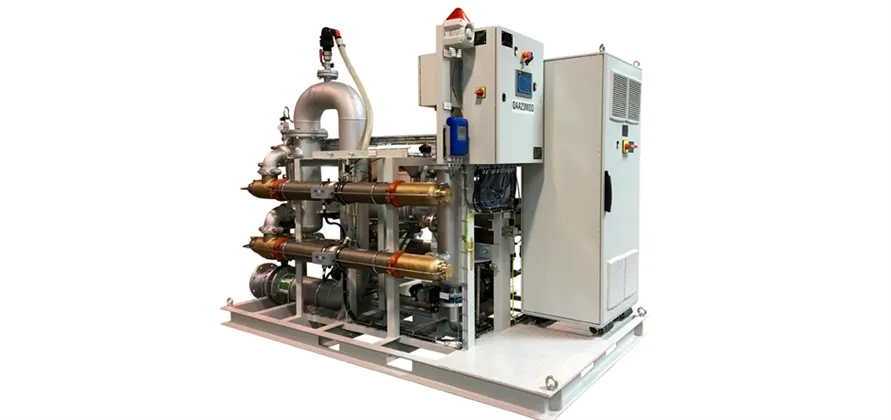
Put Every Flow Rate on the Same Basis
Flow mistakes are common because suppliers may quote actual cubic meters per minute, normal cubic meters per hour, standard cubic feet per minute, mass flow, or compressor displacement. These figures cannot be compared until pressure, temperature, humidity, and reference conditions are defined.
Peak demand may be supplied partly by a receiver, allowing the compressor to be sized closer to average demand when the peak is short and predictable. In a production site, this condition shows its effect during load changes or environmental conditions move away from the standard rating. Where the process has short peaks, separate the continuous gas demand from the receiver support before selecting capacity. When suppliers use unequal assumptions, convert the data to one basis before evaluating purchase cost or efficiency.
Leakage, purge gas, analyzer vents, regeneration use, and future expansion should be included in the plant mass balance. From an engineering selection perspective, the importance of this information is that it converts a general equipment label into a documented process duty. If the value cannot be measured or traced to a supplier curve, it should be treated as an assumption and highlighted for confirmation. This approach also creates a useful reference condition for maintenance and planned capacity growth.
Normal flow describes a gas quantity corrected to stated reference temperature and pressure, while service flow describes volume at local operating conditions. Seasoned plant teams establish this value before bidding because a late-stage change can alter compressor capacity, motor power, and equipment arrangement. This is also an E-E-A-T issue for technical guidance: usable advice states conditions, limitations, and verification steps instead of repeating unsupported claims. Writing down the decision supports both parties when installation conditions or use-point demand change.
A booster inlet that receives nitrogen above atmospheric pressure handles a smaller actual volume than the same normal flow at atmospheric pressure. The real test is not whether the item is installed, but whether it holds the guaranteed flow, pressure, temperature, and gas quality level. The engineering team should clearly state the responsible party for the item because gaps often occur at the package boundary between compression unit, generator, and process header. When suppliers use unequal assumptions, convert the data to one basis before evaluating purchase cost or efficiency.
Decision Checks
- Create one project flow basis and convert every vendor figure to it.
- Separate normal demand from short peak demand.
- Add a documented margin rather than a hidden oversized estimate.
Failure Risks
- Comparing displacement with delivered flow
- Mixing standard and actual units
- Adding arbitrary margins at every design step
Let Process Purity Drive the System Design
Nitrogen purity is not a decorative specification. It changes generator recovery, feed air consumption, analyzer requirements, storage strategy, and the cost of every normal cubic meter delivered to the process.
The correct purity is the lowest oxygen concentration that safely and consistently supports the process, not automatically the highest available figure. The real test is not whether the item is installed, but whether it holds the guaranteed flow, pressure, temperature, and gas quality level. This is also an E-E-A-T issue for technical guidance: usable advice states conditions, limitations, and verification steps instead of repeating unsupported claims. This approach also creates a useful reference condition for maintenance and planned capacity growth.
A food blanketing process may tolerate more residual oxygen than electronics, heat treatment, pharmaceutical, or chemical applications. This condition merits a contractual guarantee rather than a unstated expectation because it influences both delivered gas performance and component life. The engineering team should clearly state the responsible party for the item because gaps often occur at the package boundary between compression unit, generator, and process header. Writing down the decision supports both parties when installation conditions or use-point demand change.
Moving from moderate purity to very high purity can sharply increase feed air demand because more nitrogen is sacrificed during separation. A useful process review reviews the gas route through the system and checks what this condition becomes at the downstream device. For this nitrogen compressor topic, the relevant question is how the condition affects delivered nitrogen rather than only the compressor nameplate. When suppliers use unequal assumptions, convert the data to one basis before evaluating purchase cost or efficiency.
Purity should be defined as maximum oxygen content at a stated pressure, flow, dew point, and sampling location. In a production site, this condition shows its effect during load changes or environmental conditions move away from the standard rating. The check should be made at normal load and at the most demanding credible rated point, including partly fouled filters and year-round temperature. This approach also creates a useful reference condition for maintenance and planned capacity growth.
Decision Checks
- Ask the process owner for the actual oxygen limit.
- Define analyzer range, alarm point, and calibration method.
- Specify where purity is guaranteed and measured.
Failure Risks
- Purchasing unnecessary purity
- Accepting a purity figure without test conditions
- Sending startup gas directly to production
Build a Complete Pressure Profile
A good nitrogen compressor selection uses a pressure profile from ambient intake to the final user. The profile exposes hidden losses and clarifies whether the project needs only a feed air compressor, only a booster, or a coordinated two-compressor arrangement.
Feed air pressure must be high enough at the generator inlet after losses through the dryer, filters, receiver, valves, and piping. In a production site, this condition shows its effect during load changes or environmental conditions move away from the standard rating. For this nitrogen compressor topic, the relevant question is how the condition affects delivered nitrogen rather than only the compressor nameplate. Writing down the decision supports both parties when installation conditions or use-point demand change.
Generator outlet pressure is normally lower than feed pressure because separation equipment, valves, and controls create a pressure drop. From an engineering selection perspective, the importance of this information is that it converts a general equipment label into a documented process duty. The check should be made at normal load and at the most demanding credible rated point, including partly fouled filters and year-round temperature. When suppliers use unequal assumptions, convert the data to one basis before evaluating purchase cost or efficiency.
A booster should be rated from the minimum available suction pressure, not the optimistic average shown on a process sketch. Seasoned plant teams establish this value before bidding because a late-stage change can alter compressor capacity, motor power, and equipment arrangement. Where the process has short peaks, separate the continuous gas demand from the receiver support before selecting capacity. This approach also creates a useful reference condition for maintenance and planned capacity growth.
Final discharge pressure must include downstream line loss, regulator loss, filling pressure, and any required operating reserve. The real test is not whether the item is installed, but whether it holds the guaranteed flow, pressure, temperature, and gas quality level. If the value cannot be measured or traced to a supplier curve, it should be treated as an assumption and highlighted for confirmation. Writing down the decision supports both parties when installation conditions or use-point demand change.
Decision Checks
- List minimum, normal, and maximum pressure at each node.
- Use measured or calculated pressure drop at design flow.
- Separate operating pressure from mechanical design pressure.
Failure Risks
- Sizing from nominal pressure only
- Forgetting pressure drop at dirty filter condition
- Allowing the booster to pull the generator below consistent pressure
Review Materials, Seals, and Gas Cleanliness
Nitrogen is often described as inert, but the compressor still faces pressure, temperature, dryness, trace oxygen, moisture, process contaminants, and repeated mechanical cycling. Materials and sealing arrangements should match the actual gas stream.
Elastomers should be checked against temperature, pressure, cleaning chemicals, and any trace hydrocarbons or process carryover. The real test is not whether the item is installed, but whether it holds the guaranteed flow, pressure, temperature, and gas quality level. This is also an E-E-A-T issue for technical guidance: usable advice states conditions, limitations, and verification steps instead of repeating unsupported claims. This approach also creates a useful reference condition for maintenance and planned capacity growth.
Stainless steel may be preferred for selected high-purity or corrosive environments, while carbon steel remains suitable for many clean industrial duties. This condition merits a contractual guarantee rather than a unstated expectation because it influences both delivered gas performance and component life. The engineering team should clearly state the responsible party for the item because gaps often occur at the package boundary between compression unit, generator, and process header. Writing down the decision supports both parties when installation conditions or use-point demand change.
Piping cleanliness and assembly practice can be as important as compressor material because construction debris can damage valves and contaminate product gas. A useful process review reviews the gas route through the system and checks what this condition becomes at the downstream device. For this nitrogen compressor topic, the relevant question is how the condition affects delivered nitrogen rather than only the compressor nameplate. When suppliers use unequal assumptions, convert the data to one basis before evaluating purchase cost or efficiency.
Oxygen concentration in nitrogen service is normally low, but startup air and process upsets should still be considered in material and safety reviews. In a production site, this condition shows its effect during load changes or environmental conditions move away from the standard rating. The check should be made at normal load and at the most demanding credible rated point, including partly fouled filters and year-round temperature. This approach also creates a useful reference condition for maintenance and planned capacity growth.
Decision Checks
- Provide a full gas composition and dew point.
- Define acceptable leakage and contamination.
- Request a wetted materials list.
Failure Risks
- Calling nitrogen inert and ending the materials review
- Using general purpose seals at high stage temperature
- Failing to clean new piping before commissioning
A Realistic Selection Scenario
A metal processing plant needs 120 normal cubic meters per hour of nitrogen at 99.99 percent purity. Most users consume gas at 7 bar, but a smaller line fills pressure vessels at 180 bar. The project requires both a feed air compressor and a separate nitrogen booster. Treating the requirement as one compressor would hide the difference in gas service, pressure ratio, control philosophy, and maintenance.
The lesson is to model the complete operating sequence. A technically correct machine can still perform poorly when storage, piping, treatment, or controls are not matched to the process. The best quotation is therefore the one that states assumptions clearly and demonstrates how each component supports the required rated point.
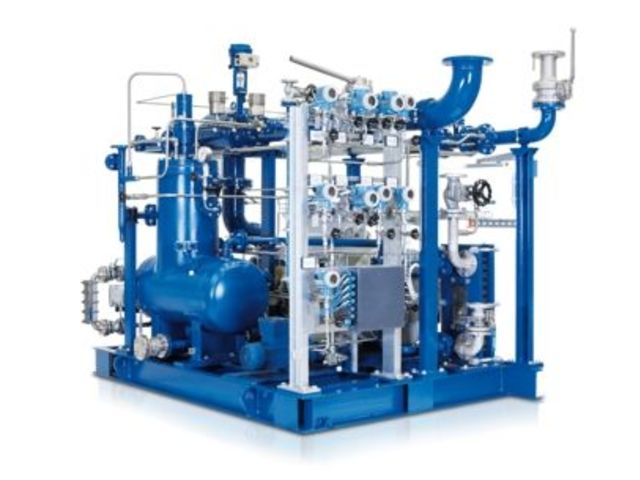
Treat Pressure and Oxygen Displacement as Primary Hazards
Nitrogen is nonflammable, but high pressure gas stores significant energy and released nitrogen can displace oxygen. A sound design combines pressure protection, ventilation, gas monitoring, safe vent routing, isolation, and disciplined maintenance procedures.
High pressure fittings, tubing, valves, and hoses must be rated for maximum pressure and compatible with the expected temperature and cycling. The real test is not whether the item is installed, but whether it holds the guaranteed flow, pressure, temperature, and gas quality level. If the value cannot be measured or traced to a supplier curve, it should be treated as an assumption and highlighted for confirmation. This approach also creates a useful reference condition for maintenance and planned capacity growth.
Every isolated volume that can be overpressured requires suitable relief protection or an engineered alternative. This condition merits a contractual guarantee rather than a unstated expectation because it influences both delivered gas performance and component life. This is also an E-E-A-T issue for technical guidance: usable advice states conditions, limitations, and verification steps instead of repeating unsupported claims. Writing down the decision supports both parties when installation conditions or use-point demand change.
Relief and vent outlets should discharge to a safe location where high velocity gas, noise, cold surfaces, and oxygen displacement are controlled. A useful process review reviews the gas route through the system and checks what this condition becomes at the downstream device. The engineering team should clearly state the responsible party for the item because gaps often occur at the package boundary between compression unit, generator, and process header. When suppliers use unequal assumptions, convert the data to one basis before evaluating purchase cost or efficiency.
Nitrogen leaks in enclosed rooms may generate an oxygen deficient atmosphere without odor or visible warning. In a production site, this condition shows its effect during load changes or environmental conditions move away from the standard rating. For this nitrogen compressor topic, the relevant question is how the condition affects delivered nitrogen rather than only the compressor nameplate. This approach also creates a useful reference condition for maintenance and planned capacity growth.
Decision Checks
- Perform an oxygen deficiency risk assessment.
- Route vents and reliefs outside occupied zones when required.
- Document safe depressurization steps.
Failure Risks
- Assuming nonflammable means harmless
- Venting large nitrogen flows into a small room
- Mixing pressure ratings within one assembly
Match Nitrogen Quality to the Industrial Application
Nitrogen is used for inerting, blanketing, purging, modified atmosphere packaging, heat treatment, electronics, laser cutting, tire processing, chemical handling, and many other duties. Each application places a different value on purity, pressure, dryness, cleanliness, and response time.
Blanketing applications often need stable low pressure flow and reliable oxygen control rather than very high discharge pressure. This condition merits a contractual guarantee rather than a unstated expectation because it influences both delivered gas performance and component life. The engineering team should clearly state the responsible party for the item because gaps often occur at the package boundary between compression unit, generator, and process header. Writing down the decision supports both parties when installation conditions or use-point demand change.
Laser cutting can require high flow at elevated pressure, with short peaks that place heavy demands on booster and storage design. A useful process review reviews the gas route through the system and checks what this condition becomes at the downstream device. For this nitrogen compressor topic, the relevant question is how the condition affects delivered nitrogen rather than only the compressor nameplate. When suppliers use unequal assumptions, convert the data to one basis before evaluating purchase cost or efficiency.
Heat treatment may require very low oxygen and low dew point to protect metal surfaces and maintain furnace atmosphere quality. In a production site, this condition shows its effect during load changes or environmental conditions move away from the standard rating. The check should be made at normal load and at the most demanding credible rated point, including partly fouled filters and year-round temperature. This approach also creates a useful reference condition for maintenance and planned capacity growth.
Food packaging emphasizes hygienic design, oil control, stable purity, and documentation appropriate to the product and local regulations. From an engineering selection perspective, the importance of this information is that it converts a general equipment label into a documented process duty. Where the process has short peaks, separate the continuous gas demand from the receiver support before selecting capacity. Writing down the decision supports both parties when installation conditions or use-point demand change.
Decision Checks
- Start with the process oxygen limit.
- Separate continuous consumption from batch peaks.
- Document cleanliness and dew point requirements.
Failure Risks
- Using one standard package for every industry
- Selecting pressure before understanding the use point
- Ignoring product contact or validation requirements
Connect Nitrogen Design with Clean Compressed Air
Nitrogen performance starts with the quality and stability of the compressed air supply. For related compressor technology, package configurations, and clean-air engineering references, review our main website for
oil-free air compressor solutions
. The external resource supports the feed-air side of the nitrogen compressor selection while this site remains focused on nitrogen generation and nitrogen compression.
Frequently Asked Questions
What is a nitrogen compressor?
A nitrogen compressor is a machine selected to compress either nitrogen gas itself or the feed air used by a nitrogen generator. The exact meaning must be stated in the engineering data because the gas path, inlet pressure, treatment system, sealing arrangement, and discharge pressure can be very different. A supplier ought to confirm this condition against the service requirement rather than relying on a generic brochure value.
Which compressor type is best for nitrogen?
Reciprocating piston compressors are common for medium and high pressure. Diaphragm compressors are preferred for exceptionally clean and low leakage gas. Oil-free screw compressors are often suitable for continuous feed air. The best type depends on flow, pressure ratio, purity, duty cycle, and maintenance resources. The answer can change when purity, temperature, altitude, duty cycle, or downstream storage changes.
Can a normal air compressor compress nitrogen?
Some air compressor designs can be adapted or approved for nitrogen service, but a standard air compressor should not be assumed suitable. The manufacturer must review gas composition, suction pressure, cooling, seals, materials, leakage, lubrication, controls, and hazardous operating scenarios. Record the selected basis in the engineering technical data sheet so it can be checked during commissioning and maintenance.
Why are several compression stages used?
Several stages divide the total pressure ratio, reduce discharge temperature, improve volumetric efficiency, and keep valves and mechanical loads within practical limits. Intercooling between stages further reduces compression work and protects downstream equipment. A supplier ought to confirm this condition against the service requirement rather than relying on a generic brochure value.
Does nitrogen purity affect compressor sizing?
Purity has a major indirect effect when nitrogen is produced by PSA or membrane separation. Higher purity usually requires more feed air for the same nitrogen output. Purity can also influence contamination control, leakage requirements, materials, and analyzer design. The answer can change when purity, temperature, altitude, duty cycle, or downstream storage changes.
What data is needed for selection?
Provide gas composition, purity, dew point, minimum and normal suction pressure, required discharge pressure, normal and peak flow, operating hours, environmental conditions, cooling utilities, electrical supply, control requirements, and applicable codes. Record the selected basis in the engineering technical data sheet so it can be checked during commissioning and maintenance.
Is oil-free compression always required?
Not always, but oil-free technology may reduce contamination risk and treatment complexity. The decision should be based on the process consequence of oil carryover, the complete filtration strategy, maintenance capability, and life-cycle expenditure. A supplier ought to confirm this condition against the service requirement rather than relying on a generic brochure value.
How should compressor efficiency be compared?
Compare total electrical power at the same delivered nitrogen flow, purity, pressure, ambient condition, and control state. Include feed compressor, dryer, generator losses, booster, cooling, purge, unloading, and storage behavior. The answer can change when purity, temperature, altitude, duty cycle, or downstream storage changes.
Turn Process Data into a Clear Compressor Specification
A reliable project involving nitrogen compressor begins with accurate field data. Share the required gas source, flow, purity, suction pressure, discharge pressure, duty cycle, installation conditions, and applicable standards. Our team can review the system boundary and identify the technical questions that should be resolved before a quotation is finalized.